No, the 30 days are not a constant countdown.
Exploring Vale Sangora does not make time pass. Certain major quest steps, dialogue choices, or changing between day and night consume a stated amount of time. That means you can roam, investigate and prepare without a real-world timer running in the background.
See the day/night system in motion
Rebel Wolves’ August 2026 Gameplay Deep Dive shows Coen’s human and vampire toolsets, Bloodlust pressure and the changing routes through Vale Sangora.
Read the studio’s version note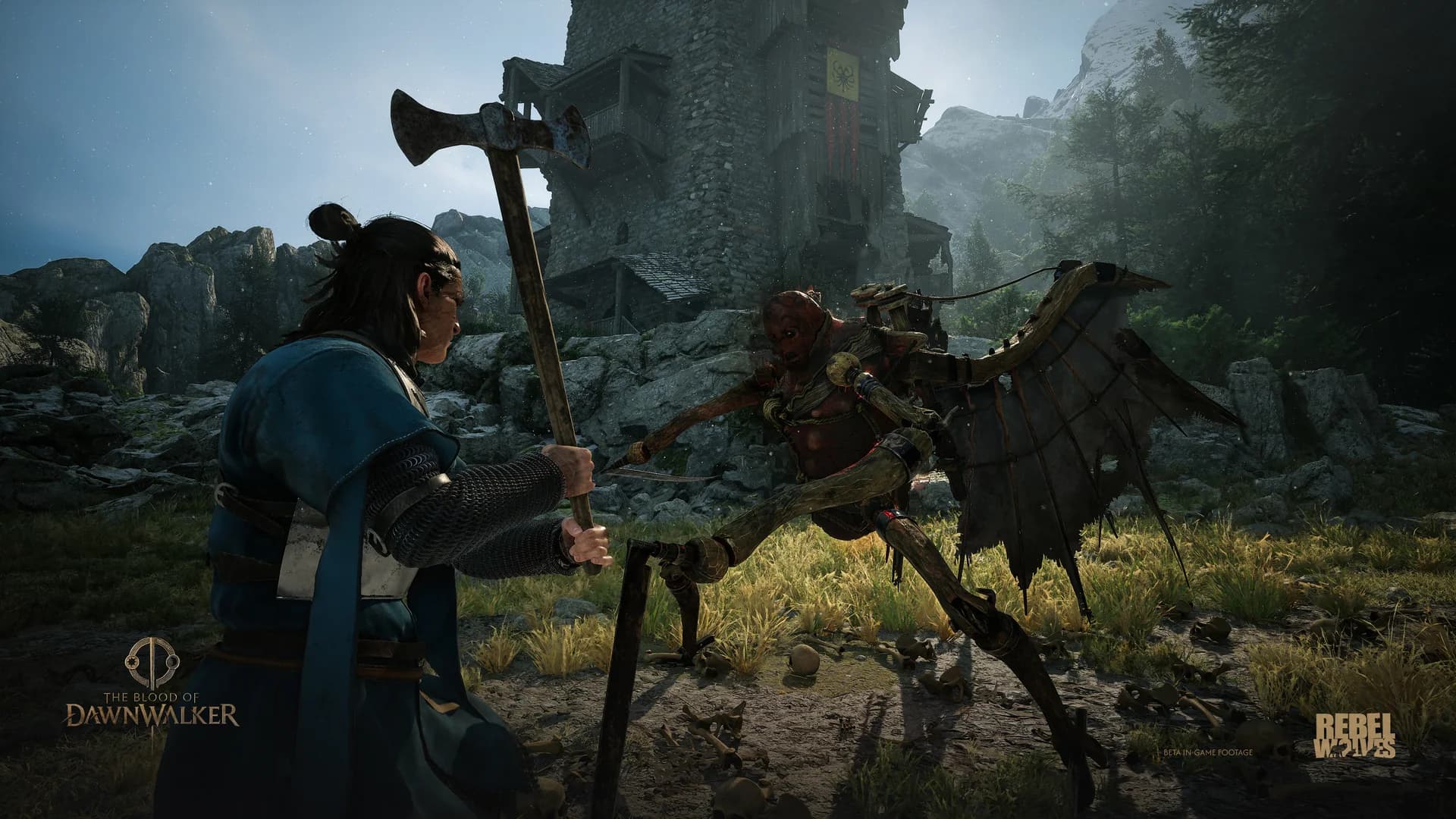 ▶ Watch official gameplay
Official pre-release video · PC pre-beta footage, explicitly not final.
What advances time?
Official descriptions frame the 30 days and 30 nights as a planning system. The clock moves when you take certain consequential actions, not with every minute you spend playing. The developers also say the interface indicates the time cost before those actions.
Roam the open world, look for routes and gather information.
Some quest steps or dialogue choices consume a time segment.
Moving between day and night can spend time and alter available options.
The important qualifier is some. The official developer AMA says not every quest action costs time. We have not found a current official source that supports a fixed “eight segments per day” rule, so this guide does not repeat that claim.
Current demonstrations are pre-release material, including footage the studio labels as PC pre-beta. The high-level time rules are official; exact UI, balancing and edge cases can still change.
Why day and night matter
Day and night are not just lighting filters. Official material presents them as two approaches to the same narrative sandbox. As a human by day, Coen uses swordplay and runic magic. At night, his vampiric abilities open more aggressive movement and combat options. NPC availability and traversal routes can also differ.
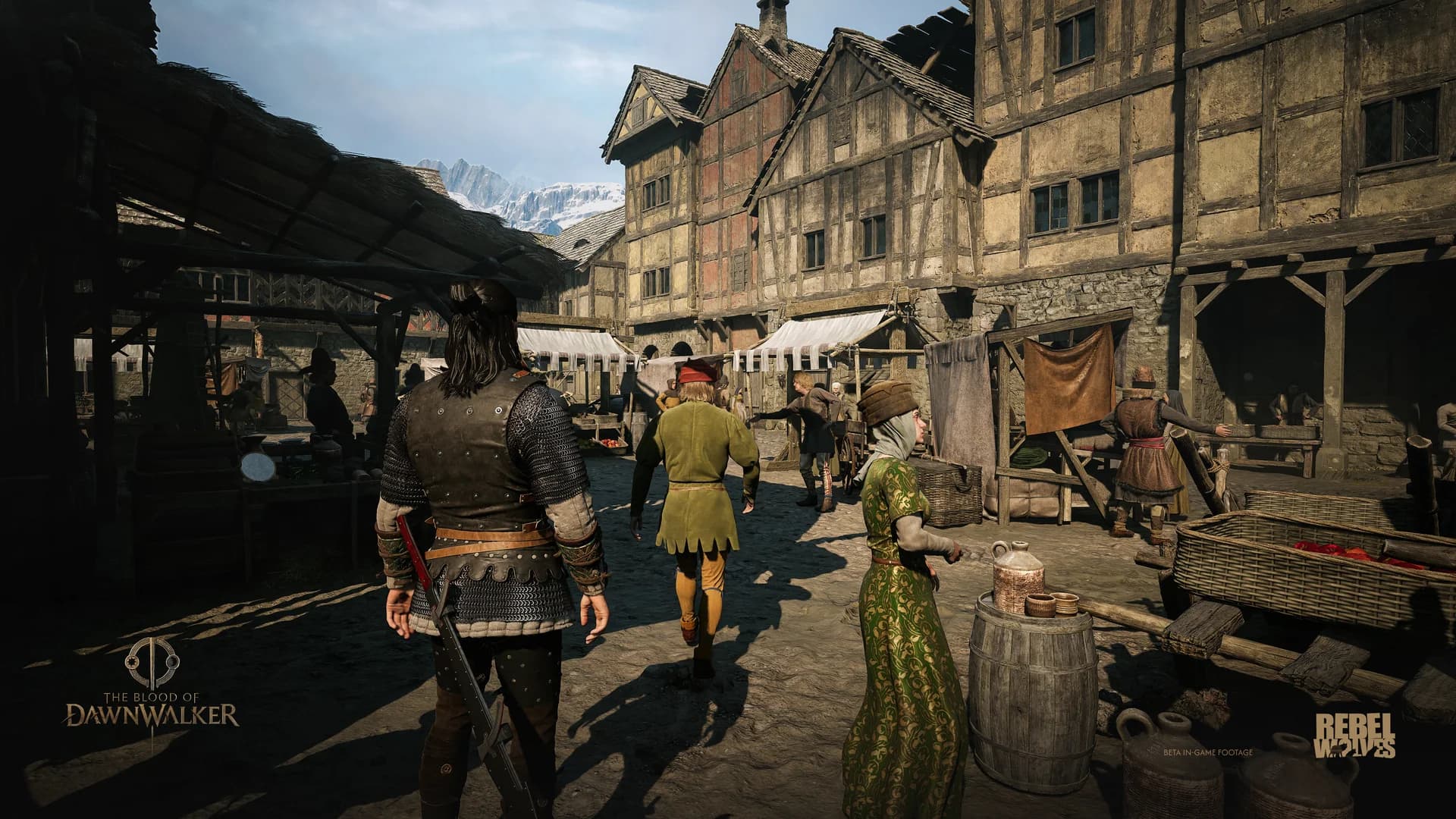
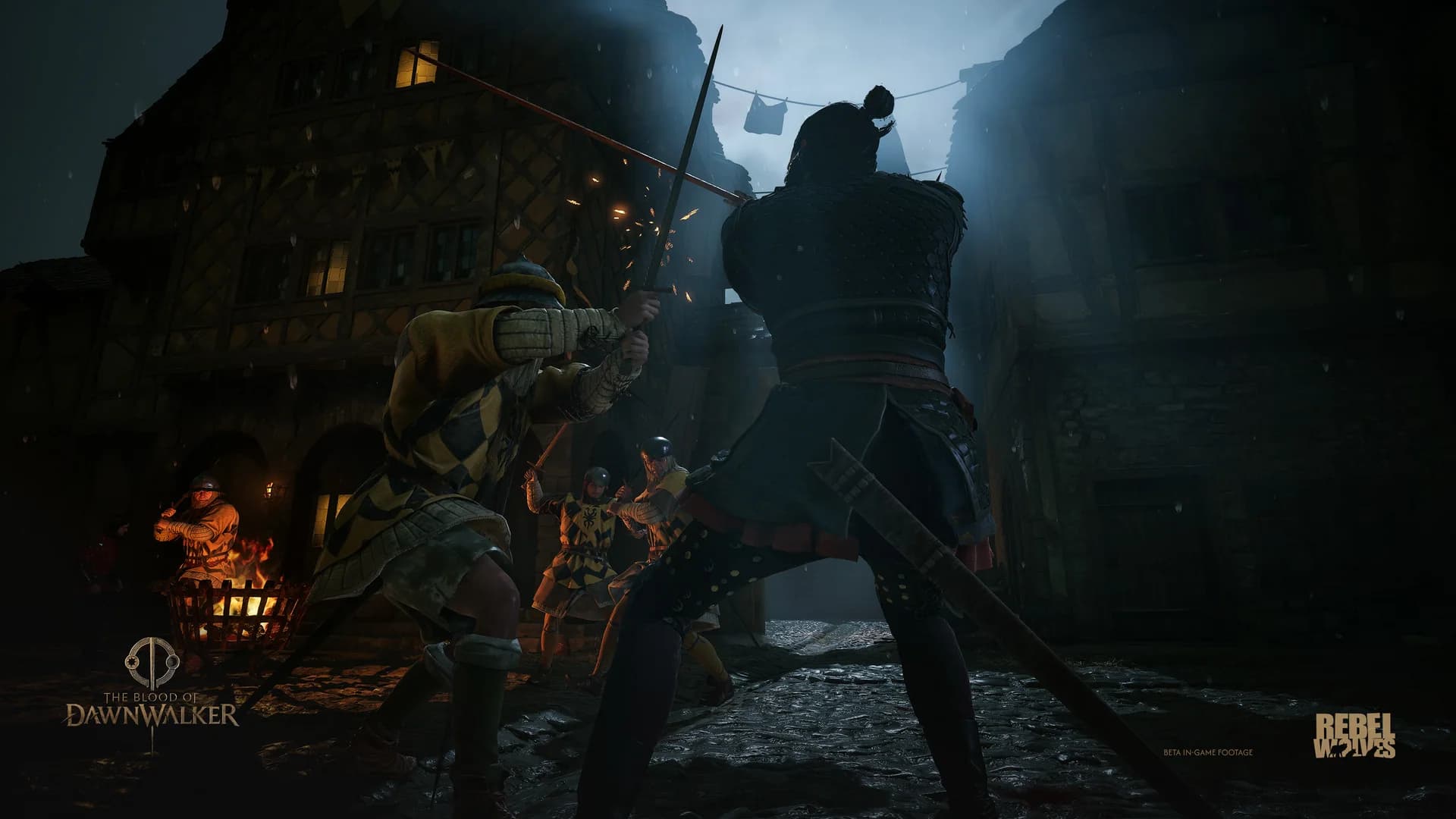
The practical planning question is therefore not only “Which quest next?” but also “Which version of Coen—and which state of the world—gives this objective the approach I want?” The final game may reveal more interactions, but that strategic distinction is already explicitly part of the design.
Does the game end when 30 days run out?
According to the official developer AMA, the game does not simply end if Coen fails to save his family within the deadline. That answer removes the fear of an automatic game-over screen, but it does not reveal the exact story state or consequences after the deadline.
That distinction matters: “the game continues” is confirmed; “nothing important changes” is not. Actions and inaction are both designed to shape the world, so the safe conclusion is that missing the goal is a story outcome—not that the timer can be ignored.
Where Bloodlust changes the calculation
The studio’s August 2026 deep dive says night-time Bloodlust can be satisfied from enemies, vampires, villagers, animals or blood vials. Leaving it unmet can weaken abilities and vitality; in severe circumstances Coen can lose control, potentially harming an important story character.
This is another planning pressure, but it is not evidence that every night follows a rigid optimization route. The release build still needs to be tested before publishing schedules, “perfect” paths or best choices.
What is confirmed—and what is still unknown
- Confirmed: the story gives you 30 days and 30 nights.
- Confirmed: free exploration does not advance time.
- Confirmed: some major actions consume visible time segments.
- Confirmed: day and night can change abilities, routes and character availability.
- Unknown: an exact universal number of segments per day.
- Unknown: the optimal launch-version schedule and every deadline consequence.